Importance of Emotional Safety in Home Choices
As we progress into 2026, the significance of emotional safety in our living environments has become increasingly evident. Home is not just a physical space; it is a sanctuary where individuals and families experience comfort, security, and emotional well-being. The choices we make regarding our homes can profoundly affect our mental and emotional health. This article delves into why emotional safety should be a top priority when selecting a home and how it impacts everyday living.
Understanding Emotional Safety
Emotional safety refers to the feeling of security and acceptance within a space that allows individuals to express their feelings without fear of judgment or harm. In 2026, as mental health awareness continues to rise, understanding the concept of emotional safety is more critical than ever. It encompasses various factors, including the design of the home, the neighborhood dynamics, and the relationships among household members.
For many, the home represents a refuge from the outside world, a place where they can recharge and be themselves. However, not all homes provide this essential support. Factors such as noise levels, proximity to stressful environments, and even the architectural layout can influence how emotionally safe one feels. For instance, open floor plans may foster communication but can also lead to feelings of exposure and vulnerability for some individuals.
Impact of Neighborhood on Emotional Safety
The neighborhood in which a home is located plays a pivotal role in emotional safety. In 2026, urban areas are witnessing a shift towards more community-oriented living. Neighborhoods that prioritize social interaction and community well-being foster a sense of belonging. This feeling of connection can significantly enhance emotional safety.
For example, a community with active neighborhood watch programs, communal spaces, and engaging local events can make residents feel more secure. Conversely, areas marked by high crime rates or lack of social cohesion can perpetuate feelings of anxiety and fear. When choosing a home, potential buyers should consider not only the property itself but also the social dynamics of the surrounding area.
People Also Look For:
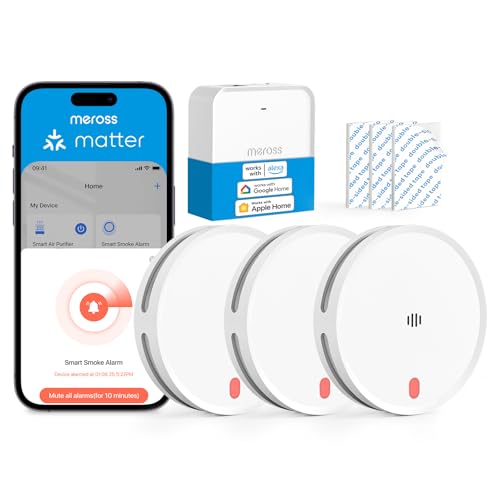
- BLACK+DECKER Smoke Alarm for Home 10 Year Life with 9v Replaceable Battery
- 2 Pack Smoke Alarms for Home – 10-Year Life Fire Alarms with 5-Year Replaceable Battery, EN14604 Certified Photoelectric Smoke D...
- FireAngel FA6615-R Optical 10-Year Fire/Smoke Alarms for Home
- Kidde 10Y29 RB Ten Year Life Sealed Battery Smoke Alarm , White
- ELRO FS1801 smoke detector complies with European standard EN14604-4 pieces, pack of 4, White
Designing Homes for Emotional Safety
The design of a home can greatly influence emotional safety. In 2026, architects and designers are increasingly focusing on creating spaces that promote well-being. Elements such as natural light, calming colors, and functional layouts contribute to an emotionally safe environment.
Natural light, for example, has been shown to enhance mood and reduce feelings of depression. Homes designed to maximize sunlight exposure can help residents feel more energized and less isolated. Additionally, incorporating natural elements such as indoor plants can further create a soothing atmosphere. In 2026, biophilic design is becoming a mainstream approach, emphasizing the connection between nature and emotional health.
Creating Spaces for Connection
Another crucial aspect of emotional safety is the ability to connect with others. Homes that lack communal spaces can inadvertently foster isolation. In 2026, families are increasingly looking for homes that facilitate interaction, whether through spacious living areas or outdoor patios. These spaces allow for gatherings, fostering relationships among family members and friends.
Moreover, the inclusion of flexible spaces that can adapt to various activities—such as playrooms, home offices, or meditation areas—enhances emotional safety by allowing individuals to express themselves freely. For instance, a family might choose to create a cozy reading nook that invites relaxation and reflection, contributing to their emotional well-being.
Emotional Safety and Family Dynamics
Family dynamics play a significant role in emotional safety within the home. In 2026, there is a growing recognition of the importance of fostering healthy communication among family members. Homes that encourage open dialogue and emotional expression can significantly enhance the overall emotional climate.
Creating designated areas for family discussions, such as a comfortable living room or a dining space free from distractions, can promote healthy interactions. Families are increasingly prioritizing environments where every member feels heard and valued. This approach nurtures emotional safety and builds resilience within the family unit.
Addressing Mental Health Needs
As we continue to confront the realities of mental health challenges, the home must be a space that addresses these needs. In 2026, more families are seeking homes equipped with features that support mental health, such as quiet rooms for meditation or therapy spaces. The design and layout of a home can significantly impact how individuals manage stress and anxiety.
For instance, a home designed with soundproof rooms can provide sanctuary during overwhelming moments. Meanwhile, incorporating elements that encourage mindfulness, such as zen gardens or serene water features, can contribute to a calming environment. In 2026, understanding the intersection of home design and mental health is paramount.
As we explore the implications of emotional safety, it is crucial to recognize how our choices in home selection can either bolster or undermine our well-being. The dialogue surrounding emotional safety continues to evolve, demanding that we remain vigilant and informed as we make decisions that affect our living environments. The significance of creating homes that prioritize emotional safety cannot be overstated, as it lays the foundation for flourishing lives.
In 2026, the conversation about emotional safety in our living spaces is more relevant than ever. As we make choices that resonate with our values and well-being, the impact will undoubtedly shape the future of home living.