Top Ten Alarm Mistakes to Avoid in 2026
As we progress into 2026, ensuring the safety of our homes and businesses becomes increasingly crucial. Alarm systems play a key role in this security landscape, yet many individuals still fall victim to common mistakes that can undermine their effectiveness. Understanding these missteps allows homeowners and businesses to fortify their defenses against potential threats. This article will explore the top ten alarm mistakes to avoid in 2026, providing actionable insights to enhance security measures.
1. Neglecting Regular Maintenance
One of the most significant mistakes people make regarding alarm systems is neglecting regular maintenance. In 2026, technology is more advanced than ever, but even the best systems require routine checks. A failure to maintain equipment can lead to system malfunctions, which may remain undetected until it is too late.
Regular maintenance should include testing the alarm system, checking batteries, and updating software. For example, a small business owner might schedule quarterly maintenance checks to ensure that their security system is functioning optimally. This proactive approach can save them from costly damages and provide peace of mind.
Best Practices for Maintenance
- Schedule routine inspections every six months.
- Test alarm sensors and cameras regularly.
- Replace batteries annually or as recommended by the manufacturer.
2. Overlooking User Training
Another common mistake in 2026 is overlooking the importance of user training for alarm systems. Employees or family members may not understand how to operate the system correctly, leading to false alarms or failures to respond during an emergency. Comprehensive training ensures that everyone knows their roles and responsibilities in case of an alarm trigger.
For instance, a family should hold regular safety drills to familiarize all members with the alarm system. This practice not only helps them respond correctly in an emergency but also builds confidence in using the technology at hand. Employers should consider providing formal training sessions for their staff on how to use the alarm system effectively.
People Also Look For:
- Kidde 10Y29 10 Year Longlife Battery Optical Smoke Alarm for Home - Ten Year Sealed Lithium Battery and Sensor Life - 10 Year Warr...
- Smoke Alarms for Home, Smoke Alarm Optical Fire Alarms for Home with LED Indicator and 80dB Audible, Smoke Detector Supplied with ...
- Smoke Alarm 2 Pack with 10 Years Span Life,Smoke Alarms for Home,Fire Alarm with LED Indicator and Silence Button Battery Powered ...
- Fireangel ST-622Q 10 Year Thermally Enhanced Optical Smoke Alarm, Multi-Colour
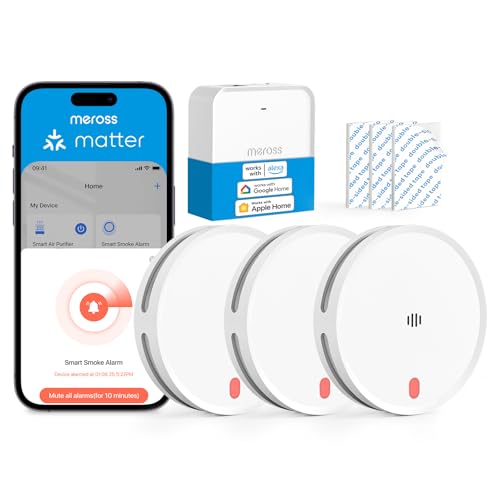
- WiFi Smart Smoke Detector (2 PCS)
Effective User Training Strategies
- Conduct monthly training sessions for all users.
- Provide easy-to-follow user manuals and quick reference guides.
- Encourage questions and discussions about the system's functionality.
3. Choosing the Wrong Alarm System
Selecting the wrong alarm system is a critical error that can have lasting implications. In 2026, the market offers various options, each with unique features tailored for different needs. It is essential to evaluate your specific security requirements before making a choice. Some systems are designed for residential use, while others cater to commercial properties.
For instance, a homeowner may opt for a basic system that includes door and window sensors, while a business may require a more sophisticated setup with surveillance cameras and motion detectors. Failing to assess these needs can result in either over-investment or inadequate protection.
Factors to Consider When Choosing an Alarm System
- Assess the size of the property.
- Determine specific security needs, such as indoor vs outdoor monitoring.
- Consider integration capabilities with smart home technology.
4. Ignoring System Alerts
In 2026, many alarm systems are equipped with advanced notification features via mobile applications. Yet, some users ignore system alerts or fail to act upon them promptly. This mistake can lead to missed opportunities to address potential security issues before they escalate.
For example, if a homeowner receives an alert about a sensor being triggered, it is crucial to investigate the cause immediately. Ignoring such notifications not only compromises safety but may also result in higher insurance premiums if a break-in occurs.
Best Practices for Monitoring Alerts
- Enable push notifications for real-time updates.
- Designate a specific person to respond to alerts.
- Regularly review alert logs to identify patterns.
5. Inadequate Password Protection
As alarm systems become increasingly connected, the need for robust password protection intensifies. In 2026, many users still utilize easily guessable passwords, exposing their systems to cyber threats. Weak passwords can lead to unauthorized access, compromising the entire security setup.
Homeowners and businesses should prioritize creating strong, unique passwords for their alarm systems. This includes using a combination of letters, numbers, and special characters. Additionally, changing passwords regularly can help mitigate risks associated with potential data breaches.
Strategies for Strong Password Protection
- Create passwords with at least twelve characters.
- Use a mix of uppercase and lowercase letters, numbers, and symbols.
- Utilize password management tools for secure storage.
6. Failing to Update Software
Keeping alarm system software updated is essential for optimal performance and security. Many users overlook the necessity of software updates, assuming that their systems will function properly without intervention. In 2026, manufacturers regularly release updates to patch vulnerabilities and improve functionality.
Failure to install these updates can expose systems to cyber threats and reduce their effectiveness. Regularly checking for updates and applying them promptly can protect against potential breaches and ensure that the system operates at peak performance. For instance, a restaurant owner should set reminders to check for software updates monthly to keep their security system current.