Top Safety Alarm Innovations to Watch in 2026
As we move further into 2026, the landscape of safety alarms is evolving rapidly. Innovations in technology are reshaping how we think about security, making it more efficient and user-friendly. This year, a range of advancements are expected to enhance both residential and commercial safety systems. Understanding these trends will help consumers and businesses make informed decisions when upgrading their security measures.
Smart Integration and IoT Connectivity
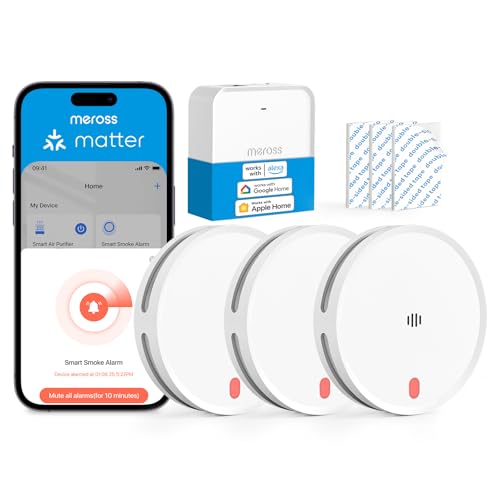
In 2026, the integration of safety alarms with Internet of Things devices is becoming more prevalent. Homeowners can expect systems that not only alert them to intrusions but also communicate with other smart devices. For instance, when a safety alarm is triggered, smart lights can automatically turn on, and security cameras can begin recording. This integration enhances the overall security posture by providing immediate visual and situational awareness.
Consider a scenario where a homeowner receives an alert on their smartphone while away. The alarm system can send live video feeds from security cameras, allowing for real-time assessment of the situation. This capability is invaluable for making decisions on whether to contact law enforcement or simply monitor the situation. In 2026, this type of technology will be key in preventing false alarms and ensuring genuine threats are addressed promptly.
AI and Machine Learning Enhancements
Artificial Intelligence and machine learning are also set to revolutionize safety alarms in 2026. These technologies enable systems to learn from user behavior and environmental patterns. For example, an alarm system equipped with AI can distinguish between typical household sounds, such as pets moving around, and potential threats like breaking glass.
This year, we can expect systems that adapt over time, reducing the likelihood of false alarms while increasing responsiveness to true threats. Imagine a family that owns a dog. The alarm system can differentiate between the sounds made by the dog and actual intrusions, allowing them to enjoy peace of mind without constant alerts. This level of sophistication represents a significant leap forward in user experience and safety.
People Also Look For:
- Kidde 10SCO Combination 10 Year Life Carbon Monoxide and Smoke Alarm Twin Pack
- Smoke Alarms for Home, Smoke Alarm Optical Fire Alarms for Home with LED Indicator and 80dB Audible, Smoke Detector Supplied with ...
- Smartwares smoke detector - 1-year replaceable battery - Fast and reliable detection - 85 dB - FSM-11710
- X-Sense Smoke Alarm for Home with Magnetic Mount, XS0G-SN, 1 Pack
- Alertlink Smoke Alarm for Home, 10-Year Battery Optical Smoke Detector, Big Test/Silence Button, No-Drill Adhesive Tape Installati...
Advanced Sensor Technology
Another pivotal trend for safety alarms in 2026 is the advancement of sensor technology. Sensors are becoming more sophisticated, offering improved detection capabilities. Developments in motion sensors, for instance, allow for greater accuracy and wider coverage areas. These sensors can now detect subtle movements and changes in the environment, providing alerts that are more reliable.
In commercial settings, businesses can expect sensors that integrate with environmental monitoring systems. For example, a retail store could have alarms that detect not only unauthorized access but also environmental changes, such as smoke or gas leaks. This dual functionality enhances safety protocols and ensures comprehensive security measures are in place.
Biometric Authentication
In 2026, biometric authentication will become a standard feature in many safety alarm systems. This technology uses unique physical characteristics, such as fingerprints or facial recognition, to ensure that only authorized individuals can disarm the system. Such measures significantly reduce the risk of false alarms and unauthorized access.
For instance, a family may choose a safety alarm system that requires facial recognition to disarm. This means that even if someone manages to obtain the alarm code, they would still be unable to deactivate the system without the correct biometric input. This level of security is essential as we move towards a future where traditional keys and codes are increasingly seen as outdated.
Remote Monitoring and Management
Remote monitoring capabilities are becoming a must-have feature for safety alarms in 2026. Users can manage their security systems from anywhere in the world through smartphone applications. This technology allows homeowners and business owners to receive real-time alerts and access video feeds remotely.
For example, a business owner can monitor their store after hours and receive notifications if the alarm is triggered. The ability to check live feeds and communicate with security personnel can be crucial in high-stakes situations. In 2026, remote capabilities will be more intuitive, allowing users to customize alerts and control their system seamlessly.
Integration with Emergency Services
A significant innovation for 2026 is the integration of safety alarm systems with local emergency services. Many systems will be able to directly notify authorities when an alarm is triggered, reducing response times significantly. This feature will be particularly beneficial in urban areas where quick response is crucial.
Consider a scenario where an alarm is activated in a residential neighborhood. In 2026, rather than requiring homeowners to call emergency services, the alarm system could automatically alert the nearest police station or fire department. This advancement not only enhances safety for individuals but also improves overall community security.
Conclusion
In 2026, innovations in safety alarm technology promise to reshape how we approach security. With advancements in smart integration, AI, sensor technology, biometric authentication, remote capabilities, and emergency service integration, both consumers and businesses will benefit from enhanced safety measures. As these technologies continue to evolve, staying informed will be crucial to ensuring optimal protection.